Why Hiring a U.S.-Based Event Planner Can Make All the Difference for Your Destination Wedding

A destination wedding can be one of the most memorable ways to celebrate a marriage.

Whether you are gathering family and friends at a seaside resort in Europe, a vineyard in Mexico, a Caribbean hideaway, or a private property farther afield, the appeal is easy to understand: an extraordinary setting, several days together, and an experience that feels more like a journey than a single event.
The planning, however, can become complicated quickly.
Different time zones, unfamiliar vendors, international payment schedules, transportation logistics, language differences, and local event practices can all add layers to an already detailed process.
At East End Taste, we approach destination events much the same way we approach events in the Hamptons, New York City, and beyond: the guest experience may look effortless, but there is a tremendous amount happening behind the scenes.
For couples based in the United States, hiring a U.S.-based event planner can help bridge the gap between planning at home and executing an event abroad.
The strongest destination weddings often combine the best of both worlds: a planner who understands the couple, their expectations, and how they are accustomed to working, paired with knowledgeable local vendors and production partners who know the destination intimately.
You Have Someone Representing Your Interests

One of the greatest advantages of working with your own planner is having someone whose primary responsibility is to advocate for you.
Hotels, resorts, and venues may have excellent onsite teams, but those teams ultimately represent the property. Their responsibilities may also begin and end with what happens at the venue itself.
An independent planner looks at the wedding more holistically.
That can include reviewing proposals, comparing vendors, discussing contract terms, managing timelines, overseeing guest logistics, coordinating multiple events, and making sure the experience being created stays aligned with the couple's original vision.
For a destination wedding, that extra layer of representation can be particularly valuable.
Communication Becomes Much Easier
Planning an international wedding often means coordinating with people across several time zones.
Even straightforward decisions can stretch across days when one person sends an email just as another is finishing their workday.
A U.S.-based planner gives couples a point person who is easier to reach throughout the planning process and who can communicate with overseas vendors on their behalf.
There is also value in working with someone familiar with common U.S. planning expectations, including communication frequency, proposals, payment structures, timelines, production terminology, and service standards.
Your planner can then translate those expectations into a workable plan for the destination.
They Understand the Guest Experience Americans Often Expect
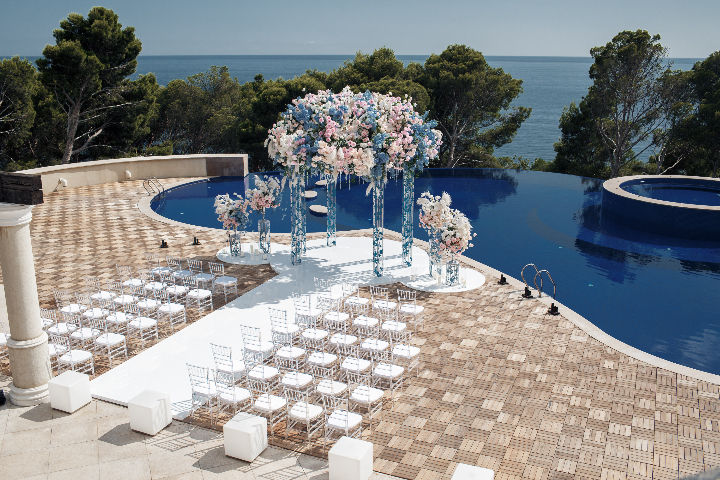
For many destination weddings, the wedding itself is only one part of the experience.
Guests may be traveling internationally, taking time away from work, coordinating childcare, navigating passports and flights, and visiting a destination they have never seen before.
Thoughtful planning begins long before anyone arrives.
Couples may need help organizing hotel recommendations, airport transportation, welcome gifts, itineraries, rehearsal dinners, excursions, beach days, farewell brunches, and other events surrounding the wedding.
This is an area where event production and hospitality overlap.
At East End Taste, we often think about an event from the guest's perspective first: What happens when they arrive? Where do they go? What do they need to know? Is there downtime? How does one event flow into the next?
For a destination wedding, those details can have as much impact as the reception itself.
They Can Help Identify Costs That Are Easy to Overlook
Destination weddings sometimes appear less expensive at first glance than comparable weddings in major U.S. markets.
But international proposals can be structured very differently.
Service charges, local taxes, currency conversions, delivery fees, staffing, transportation, overtime, import costs, vendor travel, production fees, and minimum spends can significantly affect the final budget.
A planner can help couples evaluate proposals more carefully and ask questions before contracts are signed.
For example:
Does the quote include tax?
Are service charges included?
Is gratuity expected separately?
How many hours are included?
What happens if the reception runs late?
Are there additional transportation or setup fees?
Is equipment already available at the venue, or does it need to be rented?
Are there fees for outside vendors?
Those seemingly minor details can become substantial across an entire wedding weekend.
They Can Provide Another Layer of Vendor Oversight

Many destination venues provide lists of preferred photographers, florists, musicians, caterers, and production companies.
Those lists can be extremely helpful, but couples should still evaluate whether each vendor is appropriate for their particular event.
A planner can request proposals, compare services, review portfolios, organize calls, clarify responsibilities, and ensure everyone is working from the same creative and logistical brief.
They can also identify areas where it might make sense to bring someone from the United States.
Depending on the wedding, that might include a photographer, videographer, beauty professional, entertainment provider, content creator, or specialty event vendor.
Other services may make far more sense to source locally.
The key is knowing where bringing in an outside vendor adds value and where it simply adds unnecessary cost and complexity.
They Think About Logistics Beyond the Décor
Destination wedding inspiration often begins with flowers, tablescapes, fashion, architecture, or scenery.
Event production lives in an entirely different layer.
Transportation schedules need to work.
Rental deliveries need somewhere to go.
Vendors need appropriate access.
Outdoor events need weather contingency plans.
Electrical requirements may differ.
Equipment and products may need to clear customs.
Décor may need to withstand wind, heat, humidity, or unexpected rain.
Remote venues may have limited loading access or restrictions on noise, lighting, generators, or event hours.
These details are not glamorous, but they can determine whether the wedding actually runs smoothly.
Much of good event planning comes down to identifying potential problems before the couple or their guests ever know they existed.
You Have Continuity From the First Planning Call Through the Wedding Weekend
There is something reassuring about arriving in another country and seeing a familiar person who already understands exactly what you envisioned.
Your planner has likely spent months learning your priorities, preferences, family dynamics, budget, timeline, and communication style.
They know which details matter most to you.
That continuity is especially helpful during a destination wedding, where there may be dozens of unfamiliar people involved in producing the celebration.
Instead of explaining everything again after arriving, your planner becomes the link between you and the local team.
A U.S.-Based Planner Should Still Work With Local Experts
Hiring a planner from the United States does not mean replacing the professionals who know the destination best.
In fact, the strongest destination wedding teams are usually collaborative.
A U.S.-based planner can manage the overall experience while working closely with a local planner, venue coordinator, florist, production company, transportation provider, caterer, and other specialists.
Local professionals provide invaluable regional knowledge.
They know which suppliers are dependable, how long transportation actually takes, which permits may be required, how seasonal weather behaves, and which logistical challenges might never occur to someone unfamiliar with the destination.
The lead planner's role is to bring all of those moving parts together.
Destination Weddings Are Really Multi-Day Experiences
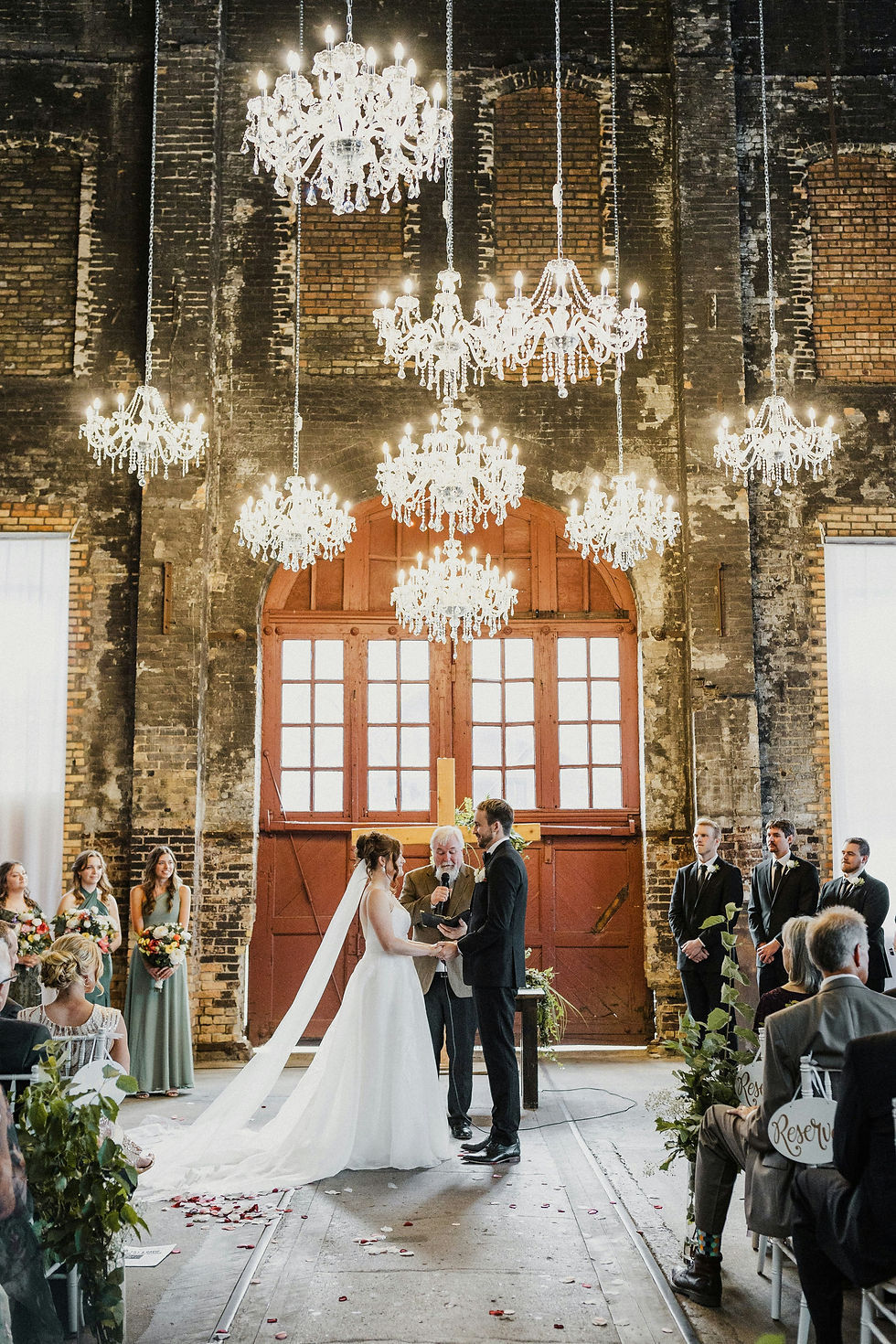
Today's destination weddings increasingly go far beyond the ceremony and reception.
Couples may host welcome cocktails the evening guests arrive, organize cultural experiences or excursions, plan a rehearsal dinner, arrange a pool or beach afternoon, and finish the weekend with brunch.
That makes destination weddings particularly well suited to planners and producers who think in terms of hospitality rather than simply wedding-day logistics.
Each event can feel distinct while still belonging to one cohesive experience.
Welcome gifts might highlight local makers.
The rehearsal dinner could feature regional cuisine.
A day trip may introduce guests to the destination beyond the resort.
The wedding itself then becomes the centerpiece of a larger experience rather than an isolated celebration.
When Does It Make Sense to Hire a U.S.-Based Destination Wedding Planner?
It can be especially helpful when:
You are planning a wedding outside the United States.
Most of your guests will be traveling from the U.S.
You are hosting several events during the wedding weekend.
You want assistance sourcing and comparing international vendors.
Your venue provides coordination but not full-service planning.
You expect to bring select vendors or products from the U.S.
You are planning across different time zones.
You want one person overseeing the entire experience from beginning to end.
It can also make sense for couples who simply do not want their engagement to become a second full-time job.
The Goal Is to Make the Destination Feel Effortless
A destination wedding should ultimately feel like exactly that: a celebration somewhere extraordinary.
Guests should be able to arrive, settle in, and enjoy the experience.
The couple should not be answering vendor questions, confirming transportation, checking table layouts, or wondering whether the entertainment equipment arrived.
That is where the right planning team becomes invaluable.
A U.S.-based planner can serve as the couple's advocate at home while assembling and managing the right team on the ground.
The destination may be thousands of miles away.
The planning process should never feel that way.
Destination Wedding Planning and Production With East End Taste

East End Taste works with couples, brands, venues, and private clients on event planning, production, guest experience, staffing, vendor sourcing, hospitality, and onsite coordination in the Hamptons, New York City, California, and beyond.
For destination weddings, our role can be tailored to the scope of the celebration, from planning and production support to vendor coordination, welcome events, guest experiences, gifting, staffing, content capture, and wedding-weekend logistics.
We also believe strongly in collaborating with trusted local professionals at the destination rather than trying to replace them.
The result is a planning team that understands you at home and knows how to execute your celebration once you arrive.
For destination wedding and private event inquiries, contact East End Taste to discuss your location, dates, guest count, and overall vision.